Coffee packaging: how technology helps preserve product quality
17/11/2026Valgroup develops coffee packaging and other flexible packaging solutions for different markets, combining materials technology and technical expertise to meet the specific requirements of each product. In this segment, the development of flexible coffee packaging is directly related to quality preservation, as the packaging helps protect the product during storage.
This challenge becomes even more relevant in light of market growth prospects. According to data from the United States Department of Agriculture (USDA), released by the Brazilian National Supply Company (Conab), global coffee consumption is expected to reach 179.7 million 60-kilogram bags in the 2026–2027 season, representing a 3.6% increase compared to the previous season.
In a large-scale market with a wide variety of products, preserving aroma, flavor, and other sensory characteristics requires careful attention to storage conditions and packaging selection.
What affects coffee preservation?
After roasting and processing, coffee remains susceptible to changes that can compromise its quality. Oxygen, moisture, heat, and light are among the main factors that accelerate this process.
Exposure to oxygen can promote oxidation reactions and alter characteristics such as aroma and flavor. Moisture can compromise product stability, while high temperatures accelerate reactions that contribute to quality loss. Light can also favor degradation processes.
That is why, in addition to proper storage conditions, coffee packaging needs to help limit the product’s exposure to these external factors. However, the level of protection required varies depending on the type of coffee, the packaging process, and the conditions to which the product will be exposed.
Barrier properties: protection for coffee
Barrier properties are related to a package’s ability to limit the passage of external elements that may affect product quality.
For coffee, protection against oxygen and moisture is particularly important. Studies on flexible packaging for instant coffee show that moisture absorption can affect product stability and that packaging performance is one of the factors contributing to its preservation.
Therefore, material selection should not be considered in isolation. It is essential to consider the combination of different layers and properties to achieve the required performance for each application.
In practice, materials engineering makes it possible to develop flexible coffee packaging structures that combine protection, strength, and performance, taking into account everything from product characteristics to the packaging process and storage conditions.
How does material selection influence coffee packaging?
Different types of coffee may require different levels of protection and packaging characteristics. Roasted and ground coffee, whole coffee beans, and instant coffee, for example, each have specific requirements that need to be considered when developing a packaging solution.
Valgroup develops flexible packaging structures with different combinations of materials and barrier properties, tailored to the requirements of each application. Among the aspects evaluated are:
• Protection against oxygen and moisture;
• Preservation of sensory characteristics;
• Performance during storage;
• Resistance and suitability for the packaging process;
• Specific requirements of each type of coffee;
• Opportunities for recycling the packaging structure.
This combination helps achieve a balance between product protection, packaging performance, and the requirements of each market.
Coffee Packaging Can Also Be Designed for Recyclability
Beyond technical performance, the evolution of coffee packaging also involves the pursuit of solutions that take its end of life into account.
One example is a project developed by Valgroup in partnership with Dow and Movimento Circular, which resulted in a polyethylene coffee package with no internal metallized layer and designed for recyclability.
The solution was developed to meet the technical requirements of the application, combining protection against oxygen and moisture with a structure designed with recyclability in mind. The project was adopted by Catarina Coffee & Love and represents a step forward in the pursuit of packaging solutions that combine performance and circularity.
This type of initiative shows how materials engineering can help address different market challenges simultaneously: preserving product quality, ensuring the required performance, and exploring alternatives that are more aligned with the circular economy.
Packaging Technology to Keep Pace with the Evolving Coffee Market
As consumption grows and market expectations continue to evolve, coffee packaging must also keep up with new demands. For this segment, that means striking a balance between protection, performance, and solutions that take circularity-related aspects into account.
Valgroup brings together technical expertise, materials technology, and development capabilities to create flexible coffee packaging tailored to the specific characteristics of each application.
From preservation to recyclability, packaging technology plays an important role in the evolution of the coffee market and helps preserve product quality throughout its journey.
Stay tuned in to the world of plastic technology, innovation and sustainability
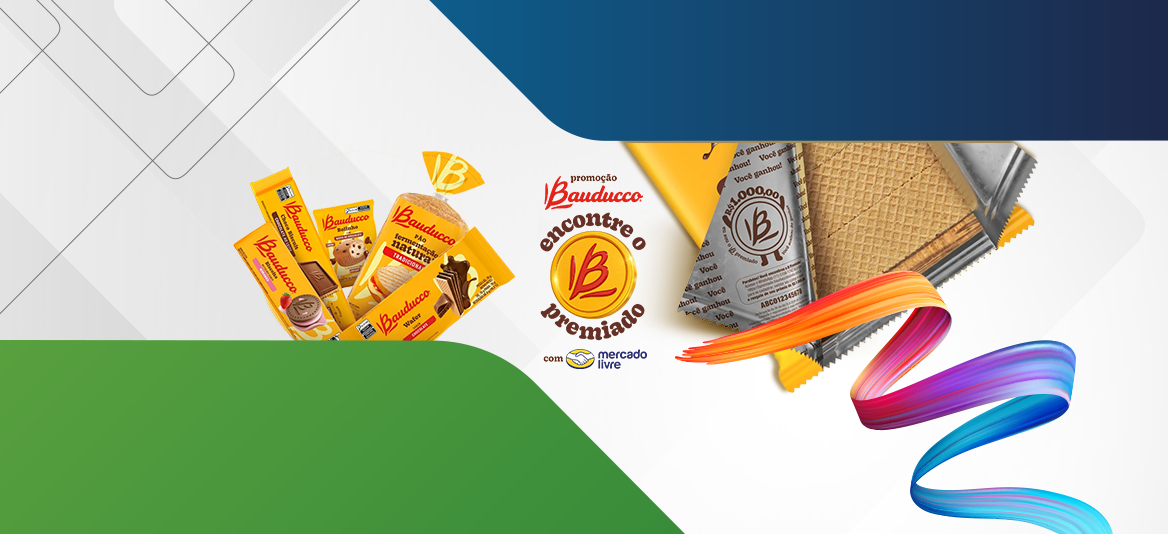
When packaging becomes the promotion: how digital printing made Bauducco's “Find the Winning B” campaign possible
Continue reading
Valgroup redirects investments to accelerate strategic growth in Europe
Continue reading
Lubricant market: learn about Valgroup's role in packaging for the industry
Continue reading
From preform to logistics: the challenges of mineral water packaging
Continue reading
Valor 1000: Valgroup expands its scale and reaches the top in plastics and rubber
Continue reading
Valgroup fortalece operação em Manaus com aquisição do segmento de tampas da petroquímica Innova
Continue reading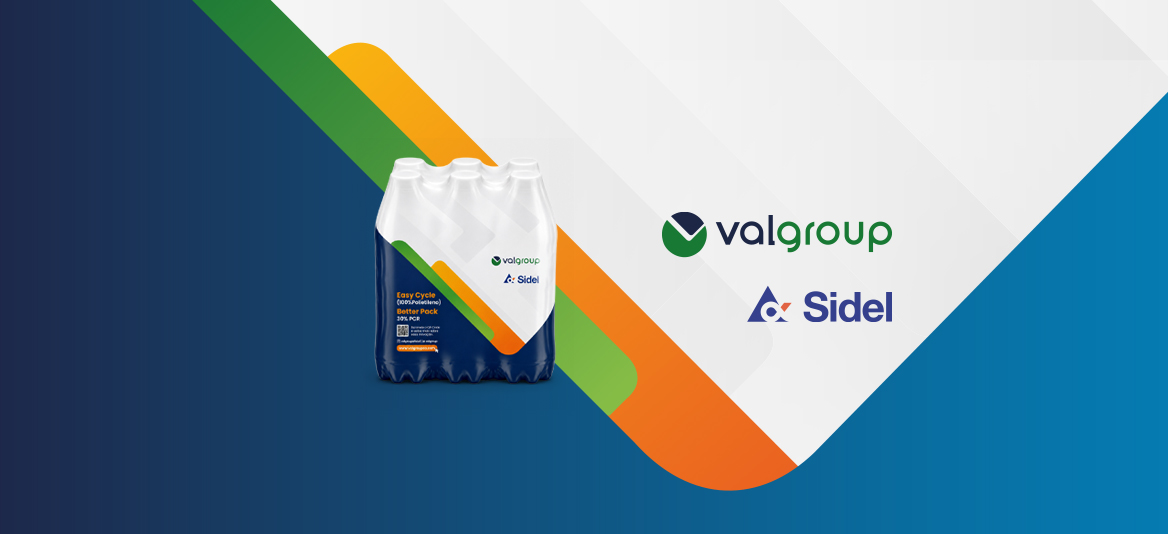
Valgroup and Sidel join expertise to expand beverage market solutions
Continue reading
Nano101: How the 101-nanolayer technology redefines performance in stretch films
Continue reading
Embalagens para pet food: evolução do consumo exige desempenho e inovação na indústria
Continue reading