


Discover Bottle-to-Bottle: The PET Recycling Process
17/07/2023Bottle-to-bottle is the PET recycling process that transforms a post-consumer bottle into another new bottle ready to be filled. This process involves several steps of decontamination of post-consumer bottles to produce Food-Grade Recycled PET.
But do you know how does this process work?
Initially, scrap loaded trucks with post-consumed PET are received and the process starts by unloading the bottles. Then, they are directed to the rotating screen and the ballistic separator removes small contaminants, such as glasses fragments, wood, labels, and loosened lids.
To guarantee the quality of the product, these pre-selected materials go through a metal detector and are directed to the optical selector system, which identifies and separates them by color and type of plastic.
The following stage is milling. This is where the bottles are transformed into flakes that are small fragments of 12 to 14 millimeters (0.47 a 0.55 in). These flakes go through a process of separation by density, where labels and the rest of lids are removed besides being hot washed to eliminate organic contaminants.
To guarantee complete decontamination, flakes are submitted to high temperature and to vacuum. Then, they are melted and solidified again, returning to their solid shape, and forming pellets that will be crystallized and polymerized, resulting in PET PCR resin of food-grade.
During the process and production of the bottles, that material is injected in a mold, to create pre-forms that are tubes with screws of different sizes. Those pre-forms are sent to the manufacturing industry which produces the bottle through blowing process.
Finally, the bottles are filled with liquid and go through the final stage where lids and labels are attached. Then they are ready to be sent to the markets and be consumed.
By investing in initiatives like this, Valgroup promotes the reduction of plastic waste, strengthens the circular economy, and contributes to social and environmental well-being.
Watch the complete process and each step in the video:
Stay tuned in to the world of plastic technology, innovation and sustainability
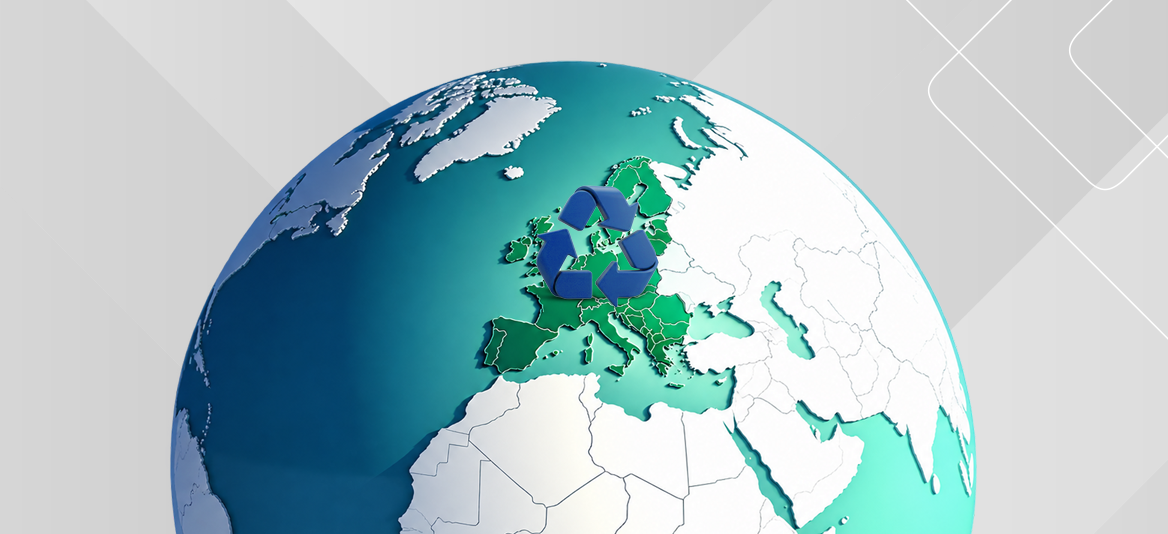
Valgroup redirects investments to accelerate strategic growth in Europe
Continue reading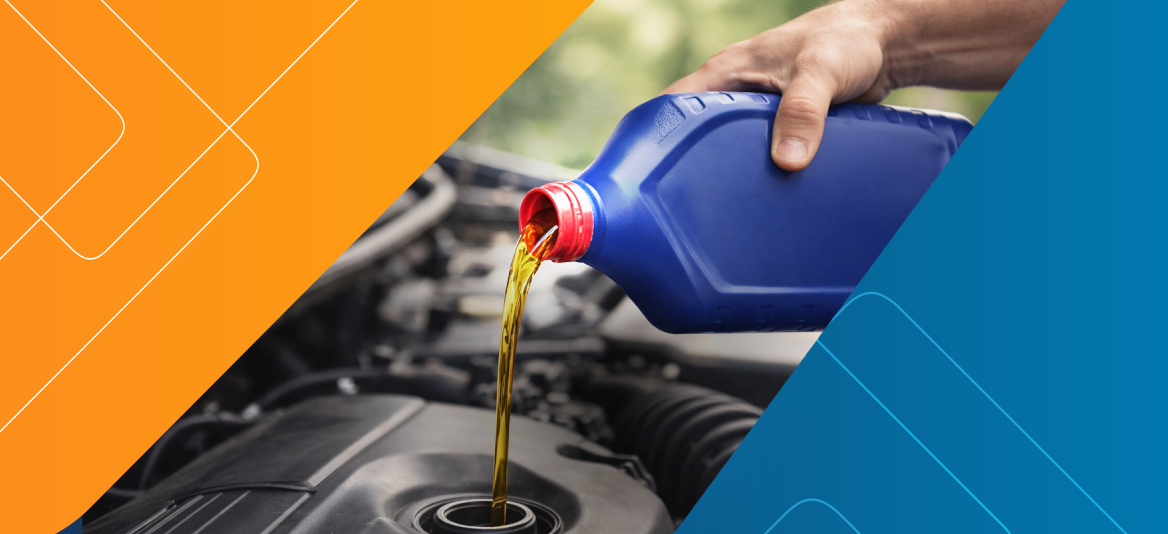
Lubricant market: learn about Valgroup's role in packaging for the industry
Continue reading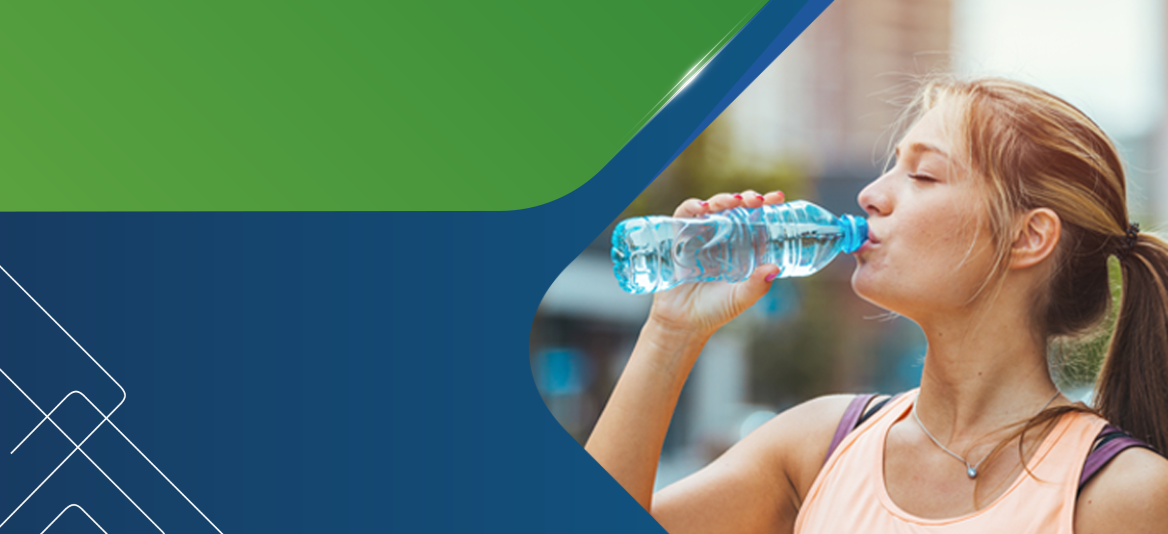
From preform to logistics: the challenges of mineral water packaging
Continue reading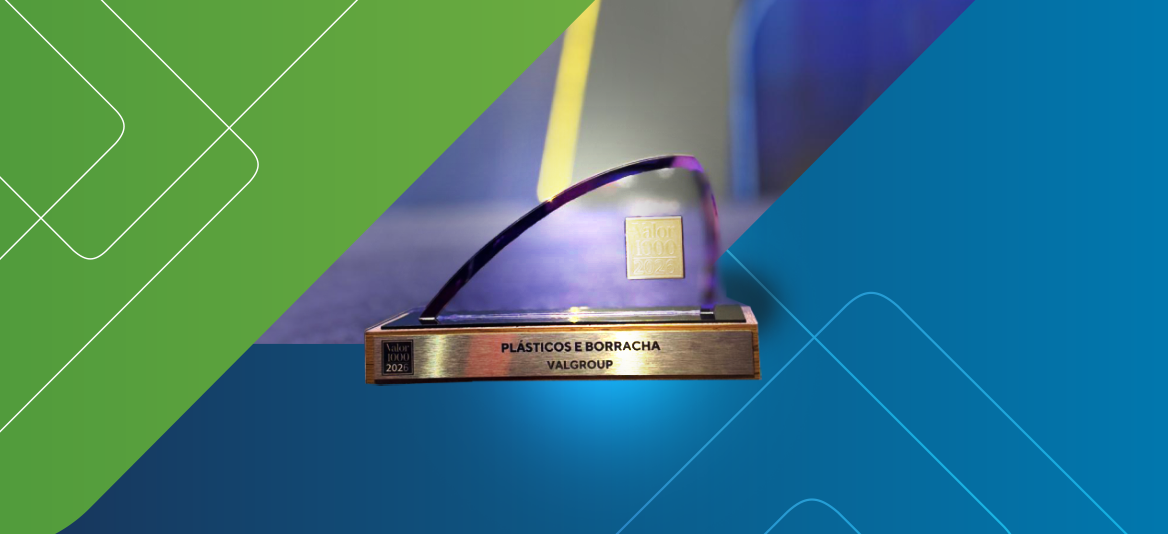
Valor 1000: Valgroup expands its scale and reaches the top in plastics and rubber
Continue reading
Valgroup fortalece operação em Manaus com aquisição do segmento de tampas da petroquímica Innova
Continue reading
Valgroup and Sidel join expertise to expand beverage market solutions
Continue reading
Nano101: How the 101-nanolayer technology redefines performance in stretch films
Continue reading
Embalagens para pet food: evolução do consumo exige desempenho e inovação na indústria
Continue reading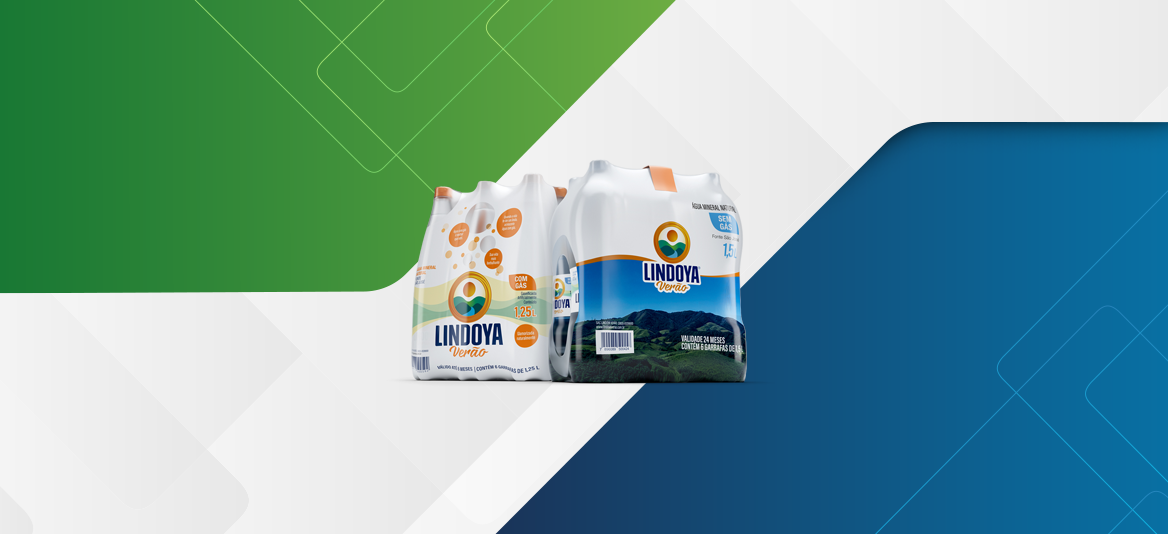
Lindoya Verão lança embalagem shrink desenvolvida com a Valgroup e premiada no Prêmio Embanews
Continue reading
